New property! Rental home in Castellón with a 5% net yield

A rental-ready home in Castellón: 3 bedrooms, elevator building, non-structural refurbishment plan, and a balanced strategy for income and mid-term appreciation.
housing
A rental-ready home in Castellón: 3 bedrooms, elevator building, non-structural refurbishment plan, and a balanced strategy for income and mid-term appreciation.

Similar target returns can pay out very differently. Learn how equity waterfalls split cash—capital back, preferred return, and promote.

Residential project in El Rompido: 25 homes on consolidated urban land. Launches on January 30 (12:00, UTC+1) with a webinar the day before.

The real estate market is entering a new phase driven by AI. Discover how AI is making buying a home faster and more digital.

In 2025, the living sector accounts for nearly 30% of Spain’s real estate investment, with multifamily, student housing, and flex living as key capital destinations.

Climate change is reshaping Spain’s real estate: heat lowers prices in the south, while cooler areas gain value. Energy efficiency is key

Housing prices in Spain are rising rapidly. Madrid and Barcelona lead in high rents, hitting young people and lower-income households the hardest.
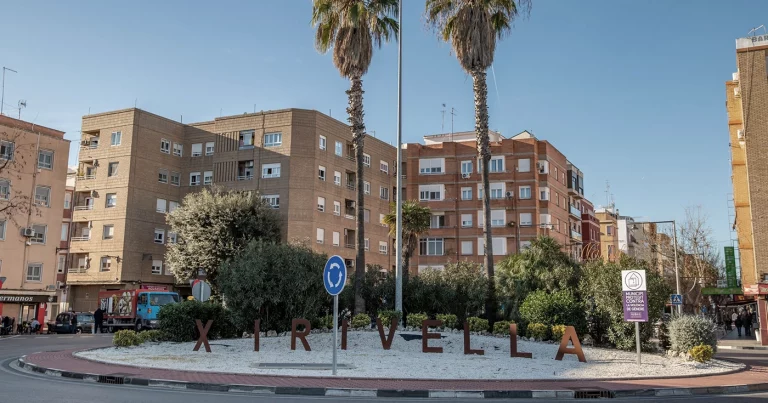
Opportunity in Xirivella: bright 74 m² property with terrace, high rental yield (5.4%) and IRR over 15 % in 5 years. Area in strong growth with solid demand.

Although banks still dominate, alternative financing is growing rapidly, offering flexibility and support in early stages and higher-risk projects.

In Q3 2025, Spain’s property market shows resilience yet signs of slowdown. Demand stays strong, prices remain high, and rental pressure persists amid limited housing supply.