
With housing consolidating its position as one of Europe’s strongest safe-haven assets, more and more investors are looking to identify the most profitable areas to invest in residential property in Spain in 2026. Not all locations offer the same potential: average gross rental yield in Spain is currently close to 7.2%, but the variation between provincial capitals and regional areas is significant.
In this article, we analyse the most attractive regions, cities and metropolitan areas for investing in housing in 2026, according to the latest market data. The aim is to provide a clear view of where medium- and long-term value can be found, balancing rental yield with the potential for appreciation.
What factors make an area profitable for investment?
Before identifying specific cities, it is worth taking into account the key elements that make an area interesting from an investor’s point of view:
- Gross rental yield: this is the percentage represented by annual rental income in relation to the purchase price of the property. The higher the ratio, the greater the initial return.
- Potential for appreciation: some areas still show room for further growth in house prices, which improves the total return if the asset is sold in the future.
- Sustained demand: both for purchase and for rental. Areas with demographic pressure or high economic activity tend to maintain long-term demand.
- Regulatory and tax stability: restrictions on tourist rentals or urban planning policies directly influence the legal certainty of the investment.
- Infrastructure and connectivity: improvements in access, services, schools and transport usually anticipate an increase in property value.
Most profitable areas in 2026: between large cities and secondary markets
According to the latest sector data, in 2026 the areas that combine still reasonable prices with solid demand remain high-yield areas. Below are some of the most notable:
1. Regional capitals with the highest gross rental yield
Cities such as Lleida (8.5%), Murcia (7.9%), Huelva (7.5%), Santa Cruz de Tenerife (7.3%) and Castellón de la Plana (7.2%) lead the highest gross yields in Spain in 2026. Because they have acquisition prices per square metre that are significantly lower than the national average, together with stable rental demand, they allow investors to maximise recurring cash flow.
2. Costa Cálida, Costa Blanca and the south-east of mainland Spain
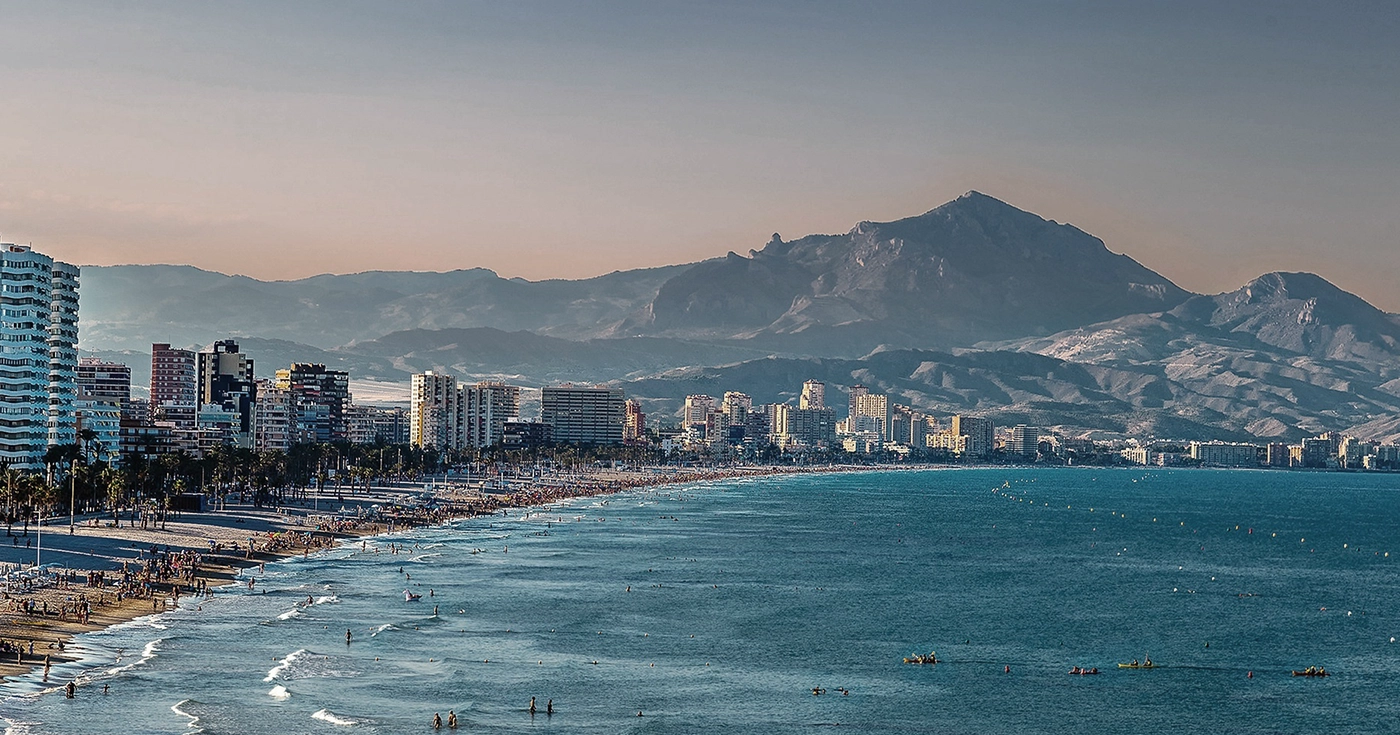
Locations such as Torrevieja (Alicante), Cartagena and Águilas (Murcia) combine a competitive purchase cost with steadily rising tourist and residential appeal. With sustained year-on-year price growth of around 5% to 7%, these areas stand out for attracting both long-stay rentals and profitable second-home demand.
3. Dynamic mid-sized cities and industrial hubs
Intermediate urban centres such as Zaragoza, Almería and Algeciras offer returns above 6.5% gross. Their lower saturation compared with major markets, combined with logistics and industrial development projects, provides an attractive balance between rental yield and long-term appreciation potential.
4. Metropolitan areas of Greater Madrid and Barcelona
In the urban centres of Madrid and Barcelona, gross yields stand at around 4.5% and 5.2% due to high purchase prices. However, market pressure has shifted demand towards municipalities in the metropolitan belt, such as Móstoles, Alcorcón, L’Hospitalet de Llobregat and Badalona. These locations offer gross yields above 6% while maintaining a high level of occupancy and liquidity.
How to access these areas through co-investment
Through platforms such as Urbanitae, it is possible to participate in projects located in many of these areas without needing to acquire an entire property. Real estate co-investment makes it possible to contribute capital alongside other investors to finance projects selected and developed by professional developers, with full transparency and from accessible amounts.
Through platforms such as Urbanitae, investors have financed transactions in municipalities with high appreciation potential across Spain, covering both development-for-sale projects and income-generating projects, while maintaining average returns aligned with the platform’s historical standards — an average IRR above 12% in returned projects. This geographical diversification allows investors to take advantage of opportunities beyond the major capitals, in areas where real estate growth is still sustainable.
Ultimately, investing in housing remains a solid option for protecting and growing wealth in 2026, provided the location is chosen with sound criteria. The most profitable areas do not always coincide with the best-known capitals, but with those markets that offer an optimal balance between an accessible purchase price, continued rental demand and room for appreciation.