In our country, football, known as the king of sports, is not just another event. Passion for our team is something that runs deep; what happens on the pitch is reflected in conversations and newspapers, and every weekend, it brings dozens of cities across the country to a standstill for a few hours, where passion takes over the streets and the only thing that matters is the result. For some, living close to where the magic happens is a privilege; for others, on the contrary, it can be a reason to choose another area to live, avoiding the noise and crowds.
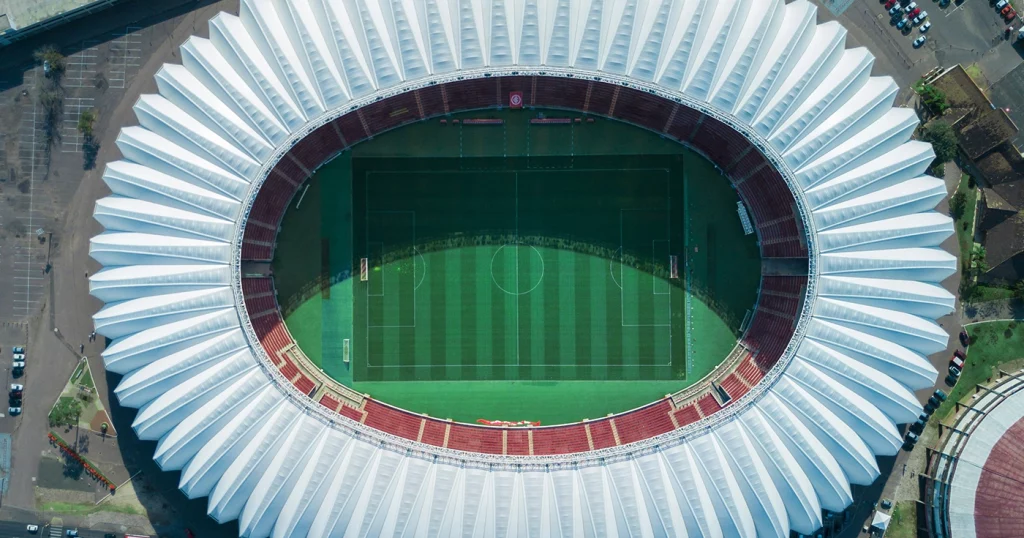
Of the 20 teams in Spain’s top division, each stadium has its own unique characteristics: some are located in the heart of the city, others on the outskirts; and in some cases, such as in Seville, Betis and Sevilla FC coexist just a few kilometers apart, intensifying the rivalry between fans. Some stand out for the sound of their supporters; others, for the structure of their stands.
LaLiga stadiums are spread across nine autonomous communities: Andalusia, Valencian Community, Balearic Islands, Madrid, Navarra, Catalonia, Basque Country, Asturias, and Galicia. And knowing that each stadium is unique, as are the fans that attend, we ask ourselves: how much does it cost to live near a stadium? Does proximity affect property prices?
Prices near the most important stadiums
Analyzing housing prices around these “modern coliseums” helps understand how sports, in relation to urban infrastructure, define the most expensive areas, investment opportunities, the factors behind property appreciation, and, above all, who wins this “housing league.”
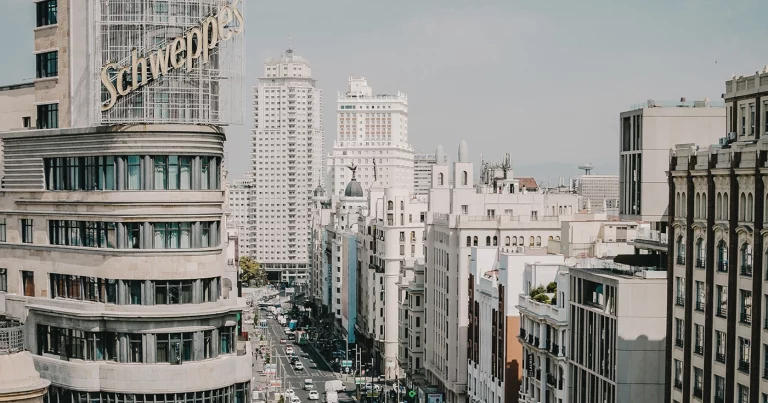
In the capital, for example, virtually all aspects of Madrid life and housing prices are represented: on the streets surrounding Santiago Bernabéu, in the heart of the city, the average price, according to Idealista, is €7,586 per square meter. At Metropolitano, in the growing outskirts near the center, the price is €3,025/m²; in Vallecas, in the most historic part of the city, €2,971/m²; and at Coliseum in Getafe, a symbol of the southern municipalities, €3,157/m².
The upward trend in prices goes hand in hand with an increase in rental yields. Real estate assets have soared over the past year, and in some cases, price fluctuations are linked to the presence of the stadium, as with the Metropolitano Stadium. Its price rose 22%, coinciding with the announcement of the 2030 World Cup and the stadium being selected as a venue. The same applies to Santiago Bernabéu and the completion of its massive renovation, which aims to transform the surrounding area and sets the sale price of neighboring flats at almost €8,000/m², with appreciation close to 20%.
Another example of soaring prices is Barcelona: in Les Corts, where Camp Nou is located, it is the second most expensive area near any LaLiga stadium, at €6,022/m². The same happened in 2019 with Anoeta Stadium in San Sebastián. Since the stadium’s renovation was completed, housing prices nearby have increased by 34%.
Not all that glitters is gold
The real estate context is not ideal for drawing conclusions, as a large part of the housing stock continues to rise due to a lack of supply, which, along with other factors, keeps property prices climbing. However, some considerations make football stadiums a rare feature in the city: these spaces often become urban landmarks, and the influx of crowds several times a month is attractive for investment and local development.
However, stadium renovations and ongoing works, in addition to all the factors surrounding these events, can be a negative rather than a positive factor for property returns. Living near a stadium means traffic jams, constant noise, and large crowds that disrupt daily life in the neighborhood. It is also common for residents’ groups to complain about the mix of noise, litter, and lack of solutions these sporting or musical events bring.
Although there have recently been examples of all the difficulties of living near football stadiums (such as Bernabéu concerts and neighborhood protests that eventually eliminated the events), they are highly valued assets whose integration into the neighborhood can turn them into an engine of economic development.
Their presence increases the attractiveness of the area for investment due to the social and commercial activity they generate. The constant flow of people boosts local businesses and turns these areas into leisure hubs, increasing interest for residents and opportunities for investors.