Category: Interviews

Meet the most interesting people in the world of real estate investment, startups and proptech.

  • “The real estate market of the future is shaping up to be digital, automated, remote, and virtual”

    “The real estate market of the future is shaping up to be digital, automated, remote, and virtual”

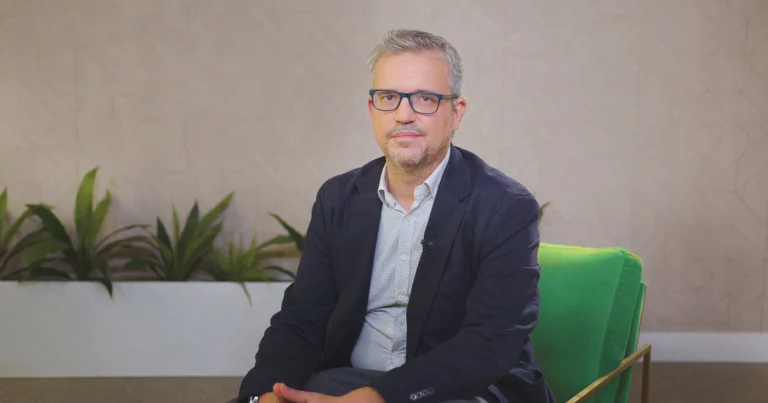
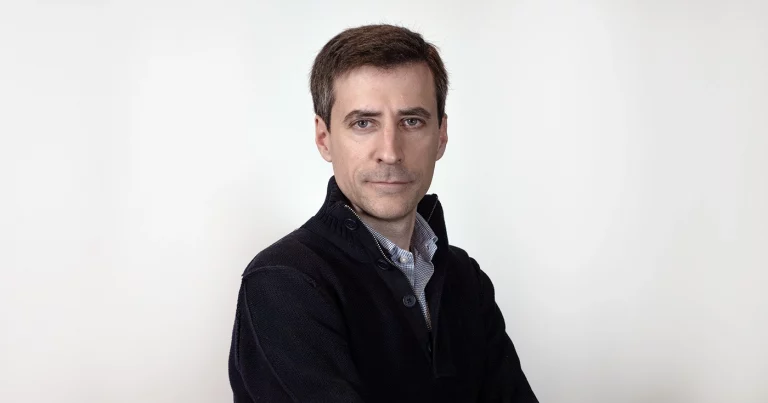
    Pragma is a company specialized in developing software for real estate management and property administration. Pioneers in embracing technology as a support for the real estate sector, unlike most proptech companies, they have a long track record spanning over three decades. Guillermo Quintanilla, Director of Marketing and member of the Board of Directors at Pragma, shares in this interview the company’s evolution and the added value it brings to the real estate market.

    How did the company originate, and how has it evolved to this day?

    Pragma was founded in 1989 thanks to the idea of three developer friends. Bold but visionary, they proposed to the owner of the company they worked for to separate the programming part to seek greater profitability. Along with another colleague who joined them on the journey, they reached an agreement and founded Pragma. The company’s name is not coincidental; it arises from the true essence of the company: pragmatism.

    They began this adventure by working with clients from the former company and expanded into custom programming, developing tools to manage day-to-day tasks in various sectors. After creating several “ad hoc” programs, they realized that many clients belonged to an unexplored niche: the property management market.

    Currently, they have a technology team that lives and cares for the project with great dedication. The same team that witnessed the birth of Adminet in 2007 and, day by day, makes it grow to elevate the real estate business to the next level.

    How does Adminet, your innovative CRM software dedicated to property management, work?

    Adminet is our intuitive CRM software dedicated to property management, real estate, and asset management. It is an essential digital product for administrators, asset managers, landlords, property owners, or tenants to manage their day-to-day operations. It provides all the necessary tools for carrying out tasks that facilitate smooth internal and external communication.

    How does it work? The program consists of different modules, each developed based on customer needs and the evolution of the market and technological advancements. It offers users various tools, including a powerful incident module, accounting, invoicing, management of massive demands from real estate portals, and many other options.

    “Despite advances, there is still a long way to go for real estate to catch up with technology in other sectors.”

    What advantages does it offer for property managers, real estate agencies, and asset managers?

    If I had to tell you all the advantages of the software, we would need a dedicated interview. The truth is that Adminet offers a set of indispensable tools and solutions for these professionals to carry out their tasks. Its goal is to improve efficiency and productivity, saving time and money, automating and organizing management to avoid many headaches. We have now developed a tool ecosystem to digitize community and property management with the latest technology, incorporating a dashboard, an automatic PDF invoice reader, digital signatures, certified email, and Norma receipt automation, among many others.

    How many users do you have to date, and what is their profile?

    Currently, we have 3,500 users, and they continue to grow every day. In property management, we have noticed two well-differentiated profiles.

    The first is the profile of the “traditional” property manager, who is a lawyer or similar. These are people accustomed to doing everything manually. They are “conservative” professionals who find it challenging to change, make decisions in a hurry, update programs, or switch providers because their activities consume a lot of time.

    The second, although in smaller numbers, is a younger, more “entrepreneurial” client. They have just entered the sector and see the potential for growth. They view the program as a tool to sell more, manage better, and ultimately benefit more.

    The rental market, on the other hand, is easier to manage; you can grow without additional staff. But it tends to be less loyal. In general, the relationship with customers is friendly and close, and we have clients who have been with us for two decades.

    You were recently acquired by the Lithuanian group Icor. What changes does this operation imply for Pragma?

    In a nutshell, professionalization and innovation. With the recent acquisition, we have become part of an international group of companies that aim to lead their respective markets with significant financial backing.

    We are incorporating new talent and adapting processes and technologies that are much more advanced than what direct competitors may use. This will gradually be reflected in our company image and contribute to improving transparency with our clients. We want to become a high-level technology company so that our clients can benefit from this quality.

    Another important concept is opening the brand to the public. Pragma has always been a company that has grown through word of mouth, as it has one of the best products, if not the best. But it has not been an exposed or relational company. Now we want it to be known, to be part of the top companies in real estate software and community services. Simply put, match the product’s quality to the brand’s positioning. It is a bold project with many uncertainties but a clear goal: to place Pragma where it deserves to be.

    “The real estate market of the future is shaping up to be digital, automated, remote, and virtual in many cases.”

    In recent years, the Spanish real estate sector has taken significant steps toward digital transformation. Where are we now?

    Despite the advances, there is still a long way to go for real estate to catch up with technology in other sectors. This is a crucial moment for key players to transition to digital environments and gradually see how their businesses are much better managed. We want to show them how to do it.

    How does the future real estate market shape up?

    The future real estate market is shaping up to be digital, automated, remote, and virtual in many cases. To understand it, one only needs to see how companies like ours advance in solutions that minimize manual operations. Automated receipt management, instant messaging via AI, virtual tours of properties for sale or rent with AI-generated decorative renders. With the current level of mobility, all these technologies will become essential.

    What are your closing forecasts for this year, and how do you plan for 2024?

    This year has been a year of significant changes for us in terms of the product, so we can expect a slight increase in revenue. However, in 2024, we will begin to reap the rewards of the work done and move towards new business and technological thresholds. We closed the last fiscal year with a turnover of 1.3 million euros, expecting a 35% increase during the current year, reaching 1.8 million euros.

  • “The real estate sector is one of the most analog ones that exist.”

    “The real estate sector is one of the most analog ones that exist.”

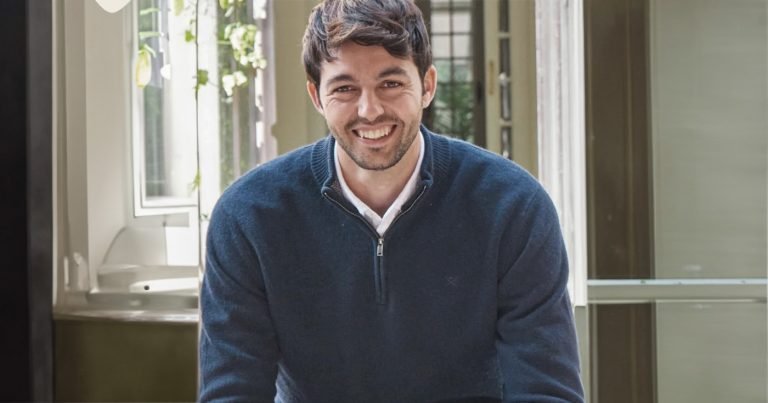
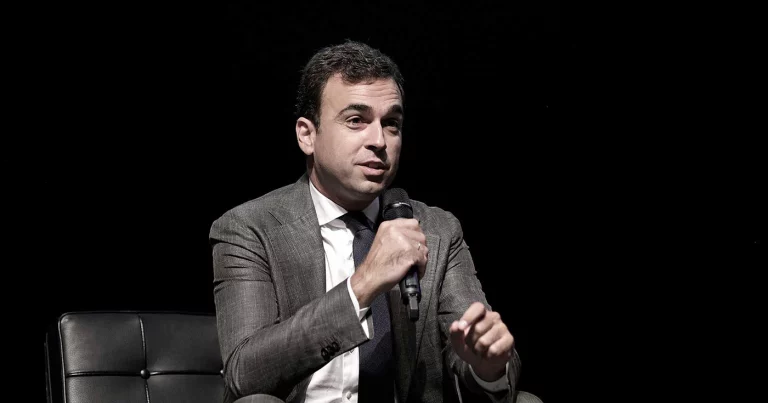
    CASAFARI boasts of being the largest real estate property database in all of Europe, with over 30,000 sources of information and 300 million monitored listings. Targeted at agents and investors operating in this sector, it has a presence throughout Europe and, following the recent acquisition of Targomo, also operates in the United States, the United Kingdom, and the Nordic countries. Its activity provides a comprehensive view of the market, its evolution, and trends, as demonstrated by Javier Vidal, Chief Financial Officer from this proptech that emphasizes quality and transparency of information to differentiate itself from its competitors.

    How the company originated. Let’s talk about its founding team and its business model.

    CASAFARI emerged as a solution to a real problem faced by the founding team, three international entrepreneurs with proven success stories. When trying to invest in real estate in Spain and other Southern European countries, they realized the poor quality and lack of transparency in the available information. For example, if they wanted to know the real stock of homes for sale or rent, they had no choice but to look at various classified platforms to estimate that figure, which becomes substantially complicated due to duplicate properties, often with divergent information. And even doing all that, there would still be a lack of information on properties not advertised on those portals.

    Faced with this problem, they decided to create a platform to collect, organize, and deduplicate all that information and ultimately create a database of unique real estate assets. This information is made available to our clients so they can carry out their work in a much more informed, professional, and efficient manner.

    CASAFARI is software that allows obtaining a detailed and real-time picture of the real estate market. How can users benefit from this platform, including real estate agents, consultants, developers, etc.?

    CASAFARI allows users to detect more investment opportunities and earlier than the majority, as it captures information from all available online sources, not just the main classified portals. This means having access to assets that have not yet been advertised in classifieds.

    Once an interesting asset is found, CASAFARI allows a detailed analysis of how it compares to assets with similar characteristics. It also helps understand the entire history of that asset in the market, regardless of whether it has been advertised on multiple portals and/or by multiple advertisers, because our technology identifies it as a single asset and collects all that history. And this is very relevant when investing; it is not the same if a property has been on the market for 15 days as if it has been there for 6 or more months and has reduced its price on 2 occasions, for example.

    Moreover, there are multiple use cases that go beyond the real estate investment process. For example, with the type of information we handle, agents can easily identify potential clients by understanding which properties are not marketed by other agencies, monitor their portfolio of properties for sale or rent in relation to the competition, etc.

    In CASAFARI, you can find the largest real estate property database in all of Europe.

    What type of information can be found in CASAFARI?

    In CASAFARI, you can find the largest real estate property database in all of Europe, with over 30,000 sources of information and 300 million monitored and updated listings several times a day. Traditionally, the information was more focused on the supply side (property sale/rental ads), although we have incorporated other types of information that complement it very well, especially data on closing transaction prices, which we already have in several countries, including Spain.

    Very recently, we acquired a company called Targomo, which allows us to add solutions, information sources, and predictive capabilities in the field of “Location Intelligence.” This basically helps companies select the best locations for their physical points, as well as predict their performance based on a multitude of socioeconomic variables, movement of people, etc.

    What does it offer compared to other platforms?

    If we differentiate ourselves in something, it is primarily in the quantity and quality of our information. As I mentioned, we have tens of thousands of sources of information and hundreds of millions of monitored ads, among other metrics that can help understand the magnitude and complexity of what we do every day. There are other platforms that focus more on the functionality of their tools than on the rigor and completeness of the information they handle, and there, everyone must decide what weight they give to each aspect. In my opinion, considering the high transactions typically involved in the real estate sector, having the best and most complete information is absolutely essential.

    In which countries are CASAFARI’s data available?

    CASAFARI collects information from virtually all countries in Europe, although commercially we are mainly present in Spain, Portugal, France, Italy, and the DACH countries. With the acquisition of Targomo, we have added other geographies (in addition to those we have in common), such as the United States, the United Kingdom, and the Nordic countries.

    Casafari simplifies and accelerates the decision-making process in real estate investment. How does the platform help in the management of real estate assets for real estate investors?

    The information provided by CASAFARI is also very useful during the asset management phase. Having a platform that combines rigorous data on the recent past (especially related to closed transactions) and real-time market information is a powerful tool for assessing real estate portfolios. But not only that, there are multiple use cases in this regard. Consider, for example, managers who sell their portfolios through marketers (not often exclusively); in CASAFARI, we can tell them who is managing which property, for how long, if there are price discrepancies between what they have mandated or among the agents, etc.

    The increase in financing costs tends to shift part of the potential demand for sales towards rented housing.

    When it comes to investing, the location of a property is usually one of the main aspects to consider. What specific factors will determine the ideal location for investment?

    The answer to this question depends entirely on the type of real estate asset in question and the investment strategy. It is not the same to buy a residential property to renovate and sell than, for example, a logistic asset to develop, rent, and eventually sell after some time.

    What is crucial is to have the greatest amount and quality of information possible, which is what we at CASAFARI advocate for, offering data both strictly related to real estate (for example, the evolution of purchase prices, rental prices, stock of assets on the market, yields, etc.) and of another nature that complements and adds value to the decision-making process, such as sociodemographic information, points of interest (hospitals, schools, etc.), movement of people throughout cities, etc.

    Let’s talk about the future of the real estate market. What challenges does the market in Spain face in the coming years?

    Firstly, the abrupt rise in interest rates that we have experienced since last year will mark the future evolution of transactions and prices, directly affecting both financing conditions and asset valuations.

    Secondly, focusing more on the residential market, we have a problem of lack of supply in Spain, which I discuss in the next question. The current regulation does not precisely help boost supply, and that’s where I think we need to put more effort.

    Thirdly, we need to continue fostering and attracting foreign investment. Again, regulation sometimes poses significant hurdles, and we must avoid discouraging investment in our country.

    Fourthly, sustainability is also noteworthy. Promoting investment is key insofar as resources are allocated to gradually adapt assets to the set objectives.

    Finally, I would like to emphasize digitization and the lack of transparency. Real estate is still one of the most analog sectors, resulting in inefficiencies and decision-making with incomplete and even erroneous information. We at CASAFARI are determined to drive this process; our fundamental mission is to bring transparency to this market through digital tools.

    And specifically, what will happen soon with the price of housing in Spain?

    As I mentioned earlier, we have a significant problem in Spain with a lack of supply, which in turn puts upward pressure on prices (or prevents them from decreasing despite a reduction in demand). This phenomenon affects both the sales and rental markets.

    Regarding sales, while the rise in interest rates is negatively affecting the demand for real estate (and certainly the demand for mortgages), the effects on sales prices are, at least for now, not very visible. Due to this mainly, it seems that there will not be a substantial drop in average sales prices despite the decrease in the number of transactions. However, we must be attentive to everything that happens at the macroeconomic level, as well as other factors that may affect supply and demand.

    Concerning rental, the increase in financing costs tends to shift part of the potential demand for sales towards rented housing, which, combined with the low level of supply, generates upward pressure on prices that we have been observing in recent times and are likely to continue (again, in terms of averages). What is worrisome is that the effort to cover rent (relative to wages) is increasing, and this can create serious problems for Spanish families, which would undoubtedly be alleviated if we opted for measures that increase the supply of rental housing.

    What growth prospects do you have for 2024?

    At CASAFARI, the growth forecasts are very positive, as we have been demonstrating in recent years, also becoming much more efficient in terms of costs. Our main goal in 2024 is to continue growing efficiently in the markets where we currently operate, without losing sight of potential expansion opportunities, both organically and inorganically.

  • “The real estate market is currently facing a challenging period”

    “The real estate market is currently facing a challenging period”

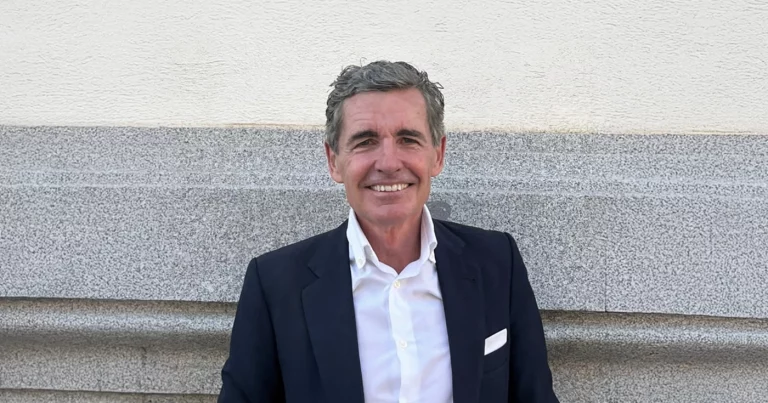
    With a presence in the U.S., Canada, Asia, and Europe, Panattoni Europe is one of the major global developers in the industrial real estate sector. For the past three years, the company has been operating in the Iberian Peninsula, aiming to become a key player in the market. We spoke with Gustavo Cardozo, General Manager for Panattoni Spain and Portugal, about the company and the industry’s response to the rise of online commerce. We also analyzed the challenges of sustaining growth in the industrial real estate sector.

    Panattoni has established itself as the largest industrial real estate developer in Europe, but it’s been only a few years since you entered the Spanish market. What is the current state of the Spanish market?

    The performance of the Spanish market has exceeded our initial expectations. Fortunately, demand has grown for various reasons since our arrival on the Iberian Peninsula. Thanks to the trust placed in us by our European headquarters, investors, and clients, we have quickly become one of the most active developers in the region. Despite the current economic uncertainty, the demand shows positive prospects in the short to medium term. Compared to neighboring countries, Spain holds a strategic position and offers advantages such as a strong attraction for industrial activities, especially in the automotive sector, the potential growth of e-commerce, and the country’s energy autonomy compared to other European markets. All these factors continue to attract more demand to the sector.

    You have developed over 20 million square meters of logistics space in Europe. What values have characterized your company in these almost 20 years?

    We have an international vision with a local focus, meaning that we possess a deep understanding of the global market while developing a local network of relationships. This enables us not only to locate ourselves in strategic areas but also to have a positive impact on the environment and the communities where Panattoni integrates.

    Flexibility is another key aspect. Our private corporate structure allows for agile and rapid governance and decision-making processes. Local decisions are made locally, with the support of our headquarters. This is what primarily gives us the agility and speed we mentioned. All of this is always approached from a sustainability perspective. Our goal has always been to have a positive long-term impact and contribute to the development of a greener and more environmentally friendly future.

    The combination of these three elements, along with constant innovation and technological integration, has been the fundamental basis for our business development and has characterized us over the years.

    “The rise of e-commerce has led to increased investment in logistics buildings.”

    How has the growth of e-commerce in recent years contributed to the development of the sector?

    The e-commerce sector has been a fundamental pillar for industry development. In recent years, e-commerce has experienced exponential growth driven by technological advancements, changes in consumer behavior, and market globalization. This evolution has transformed the dynamics of the real estate sector, increasing the demand for strategically located logistics spaces and distribution centers to meet the storage and shipping needs of products. The rise of e-commerce has led to increased investment in logistics buildings, reshaping how real estate properties are planned and developed to adapt to the changing needs of the supply chain and fast delivery. In fact, in 2022 alone, the retail sector absorbed 43% of the leased space.

    Sustainability is an important part of your value proposition. Have ESG criteria become a permanent part of real estate?

    Indeed, and the market reflects this. In recent years, there has been a significant increase in awareness of sustainability and corporate responsibility in all industries, including real estate. Investors, tenants, and society as a whole are increasingly concerned about the environmental and social impact of properties and real estate projects. This trend is influencing investment decision-making, property design and construction, as well as the management and operation of real estate assets.

    Sustainability and efficiency throughout the supply chain respond to criteria beyond business, making it a “must” for everyone involved. Therefore, at Panattoni, we address sustainable development broadly, positively impacting both our external and internal customers. Our decisions are always made considering three factors: environment, society, and corporate governance, each of them crucial for our partners. International guidelines and regulations worldwide on sustainable investments have helped us select Sustainable Development Goals and align with EU objectives. We already have over 5.7 million square meters of certified clean space.

    These have been excellent years for industrial real estate. How do you see the future?

    In the current situation, the national landscape experiences a certain ambiguity, and regarding future prospects, there is a sense of cautious optimism. While positive dynamics could persist, some challenges are visible as various factors converge, causing a slowdown in the market and instilling greater caution in investment interest.

    Despite this, it is worth highlighting that the need for space by logistics players remains active, especially in consolidated areas, and sustainability and ESG criteria are expected to continue influencing the planning and development of properties, reflecting a growing environmental and social awareness.

    However, it is important to consider potential economic volatility and regulatory changes that could impact the market. The balance between supply and demand, along with macroeconomic conditions, will play a crucial role in determining future dynamics. Ultimately, although continuous growth is anticipated, addressing emerging challenges with agility and adaptive strategies is essential to keep the industrial real estate sector on a positive trajectory in the coming years.

    “Decisions are always made considering three factors: environment, society, and corporate governance.”

    Alternative assets have a promising outlook in real estate. In fact, you have recently finalized the purchase to develop a data center in Catalonia. Will investment continue to grow in the coming years?

    Investment appears to be steady. At Panattoni, in recent years, we have focused on diversification both in markets outside the Madrid-Barcelona axis and in new business strategies and industrial real estate products.

    The development of a data center shares many similarities with that of a temperature-controlled or cold storage logistics facility, although there are, of course, some notable differences. However, with our experienced and multidisciplinary technical team and the support of appropriate advisors, we are fully equipped to take on this responsibility with confidence and ensure success, whether in the field of data storage or goods.

    Lastly, in general terms, how do you perceive the current state of the real estate market?

    In general terms, the real estate market is in a challenging period due to factors such as rising interest rates and increased production costs. Despite these challenging situations, the market has shown a certain resilience, largely thanks to active demand. This has allowed us to continue investing and maintain a high level of confidence in the sector. As long as the desired balance between supply and demand exists, something we foresee continuing in the short term, there is no reason for alarm.

    In recent years, Spain has been establishing a stable growth pace. We expect to further strengthen our position in the country and have a footprint as relevant as in other markets where the company has been present for a longer time.

    However, we are attentive to all international events that are unfolding and their potential impact on the economy and the level of confidence among clients and investors, enabling us to anticipate conditions that may arise in the market appropriately.

  • PJR Gestión, the Asturian real estate developer that emerged in the midst of the economic recovery

    PJR Gestión, the Asturian real estate developer that emerged in the midst of the economic recovery

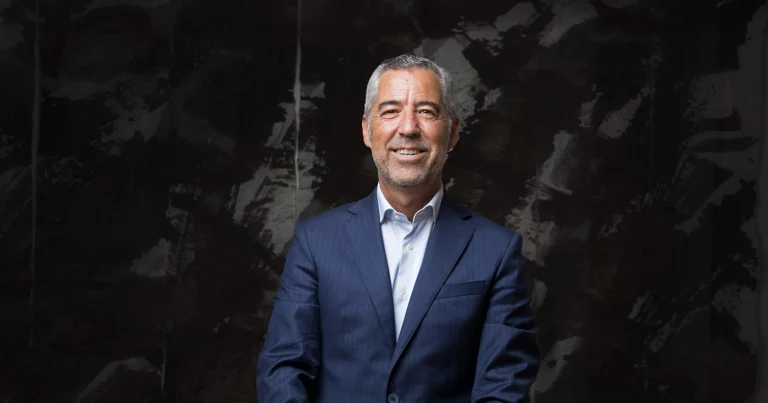
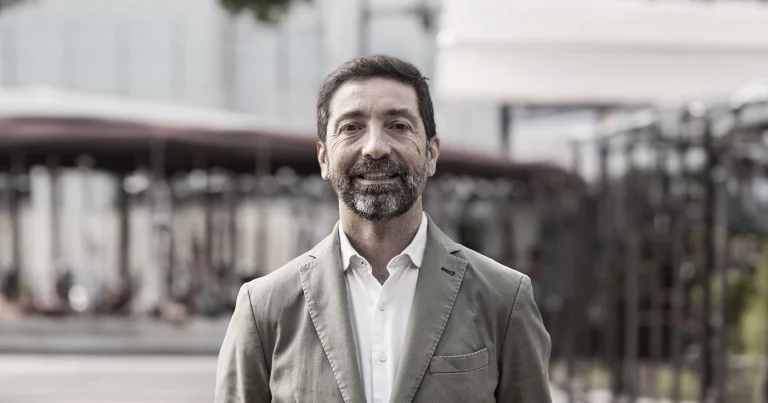
    The real estate developer PJR Gestión was born in the midst of the economic recovery. Specializing in creating unique homes in privileged locations, it focuses on design and innovation in construction, green spaces, and customization. In this interview with Bárbara Argüelles Casal, the current Commercial Director of the company, we review the trajectory of PJR Gestión Promotora, the challenges it has faced, and the evolution of real estate investment in Asturias in recent years.

    How did PJR Gestión come about?

    PJR Gestión Promotora was established in 2016. After many years working in the construction and civil engineering sector, we received a very enticing project in our office, though quite challenging for the times we were in, amidst the economic recovery.

    People called us crazy, but we believed in ourselves and the potential of the proposal. We decided to create PJR Gestión Promotora, relying on the three pillars that define us: the quality of materials and finishes, customization based on the needs of clients, and a very personal approach.

    We started with a very ambitious project, the Círculo Miramar development, a residential complex of 119 homes in the municipality of Luanco that boasts the largest private pool in Asturias.

    What have been the major challenges in your journey?

    The biggest challenge we’ve faced in recent years was the arrival of the pandemic in 2020. Economic uncertainty had a significant impact on the real estate market, especially in the initial months when many people decided to postpone their plans to buy a home.

    Then came the construction materials crisis, leading to a price surge that still persists today.

    “The positive aspect of the pandemic is that clients started looking for homes to live in, not just to sleep in.”

    You are present in areas near Oviedo and Gijón; do you consider expanding your scope?

    We always have an open mind to continue expanding and promoting buildings that contribute to making cities more beautiful. Currently, our projects focus on the Siero Council, both in Lugones and La Fresneda.

    How has real estate investment evolved in Asturias in recent years?

    When we started promoting in 2016, emerging from the major crisis, we encountered clients who were hesitant to make the decision to buy an apartment. Fortunately, over the years, this has changed.

    The positive aspect of the pandemic is that clients started looking for homes to live in, not just to sleep in. Large spaces and terraces, characteristic of our developments, began to dominate the wish lists of buyers.

    At the moment, we not only have clients buying for their primary residence but also, in many cases, properties are sold to investors. This hadn’t been seen in Asturias for many years.

    What is the status of “build-to-rent” in Asturias?

    The ‘build-to-rent’ model is still in the early stages of development in Asturias, although it is gaining interest among investors, developers, and young people. There are several interesting projects underway, mainly in Gijón.

    In our case, our promotions are focused on direct sales. Currently, we do not consider promoting rental housing.

    “A significant percentage of our clients are Asturians who have chosen to return, thanks to the possibilities offered by remote work.”

    With the rise of remote work, have you noticed increased demand for properties in quieter areas close to nature?

    Absolutely. A large percentage of our clients are Asturians who have decided to return thanks to the possibilities of remote work.

    These clients are looking for comfortable homes adapted to the current way of life, with large terraces, outdoor spaces, good quality, and well-connected to urban centers. In fact, in one of our developments, we have designed a coworking space to provide them with even more conveniences.

    What is the profile of your client?

    Depending on the location of the promotion, we can find various types of clients. On one hand, young couples with children or planning to have them, seeking a comfortable, spacious, beautiful home in a peaceful environment to enjoy family life. On the other hand, we also have many middle-aged clients who want to enjoy their retirement in the home they have always dreamed of.

    What projects are you currently working on?

    Currently, we are immersed in the construction of two developments: Luxor, a residential complex of 32 homes in La Fresneda with large terraces, a pool, and high-end finishes; and Solare, an 18-unit VPC building in Lugones with incredible natural light.

    Additionally, we have a promotion of ten townhouses in La Fresneda (Luxum development), which will start construction soon, and we have just started the marketing of the Luxor II development (the second phase of Luxor), which will have 26 homes.