The real estate market in Portugal has maintained its momentum throughout 2024, defying expectations of moderation resulting from more restrictive economic policies across Europe. Far from stabilizing, housing prices have continued to rise, driven by high demand, sustained interest from foreign investors, and a limited supply in some of the country’s most sought-after areas.
In this article, we review how housing prices in Portugal have evolved over the past months of 2024 and explore what’s expected for the remainder of the year, examining key factors like foreign investment, the impact of interest rates, and new trends that are reshaping the real estate landscape in the country.
Housing prices in Portugal on the rise
As we’re seeing in other countries, Portugal has joined the global acceleration in housing price growth. According to Knight Frank’s Global House Price Index, Portugal ranks 14th in terms of price increases among the 56 countries analyzed. Prices continue to climb with a 6.5% increase over the past year, 2.5% over the last six months, and 2.9% over the past three months.
The rise in eurozone interest rates, implemented by the European Central Bank (ECB) to combat inflation, has not curbed real estate demand as much as anticipated. Although financing has become more expensive, the market remains highly active, largely due to interest from international buyers, especially those seeking Portugal as a destination for a second home or a profitable investment.
Lisbon and Porto: upward trends
Lisbon and Porto continue to lead the rise in housing prices. Both cities have experienced a sharp increase in demand, which has kept pressure on prices, especially in the most central and popular areas.
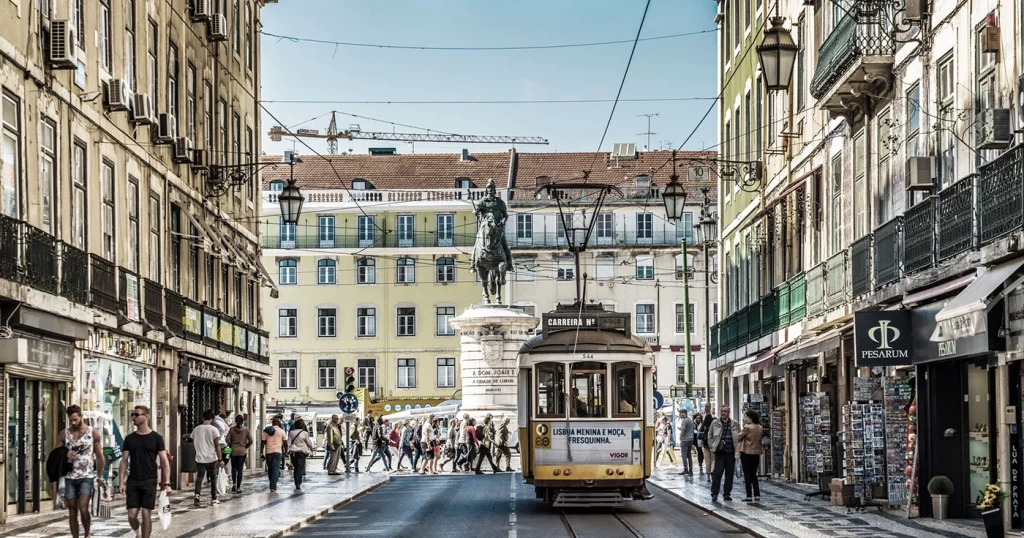
In Lisbon, prices have continued to rise significantly in the first half of the year, with an increase of nearly 8% compared to the previous year, according to data from the National Statistics Institute (INE). Highly sought-after neighborhoods such as Chiado, Baixa, and the Avenida da Liberdade area remain extremely popular, with prices surpassing 10,000 euros per square meter in some cases. Peripheral areas like Amadora, Oeiras, and Sintra have also seen a significant increase in demand, driven by buyers seeking more affordable prices outside the city center.
Porto has not been left behind. The city recorded a 6 to 7% growth in housing prices during the first months of 2024, with neighborhoods like Foz do Douro and Ribeira among the most in demand. As in Lisbon, buyers are seeking alternatives on the city’s outskirts, driving up prices in emerging areas like Campanhã and Bonfim. These areas still offer some affordability, but the rapid increase in demand is starting to push prices higher.
Expectations for the remaining months of 2024
As in Spain, housing access challenges in Portugal are expected to persist in the short term. This is due to housing costs potentially growing by up to 6% annually. This dynamic is also being affected by ongoing restrictions on housing supply, especially in less populated areas. However, mortgage demand and financing conditions are expected to improve in 2024 compared to last year in the final months of the year.
For now, experts predict that housing prices will continue to rise, although at a more moderate pace. Factors such as inflation and the higher cost of mortgages could place some downward pressure on domestic demand, but national buying interest and the limited supply of properties in key areas are expected to keep prices on the rise.
Foreign investment will remain a significant driver for the Portuguese real estate market, despite the “golden visa” reform, which excludes metropolitan areas like Lisbon and Porto, as well as highly touristic coastal areas like the Algarve. This has redirected part of the investment toward other regions such as Algarve and Madeira, where prices have also risen considerably so far this year.
In conclusion, the upward trend is expected to continue in the remaining months of 2024, although growth may be more moderate compared to the early months of the year. The most in-demand areas, such as Lisbon, Porto, and the Algarve, will continue to lead the market, while more peripheral and emerging areas will offer interesting opportunities for those looking for more affordable prices.