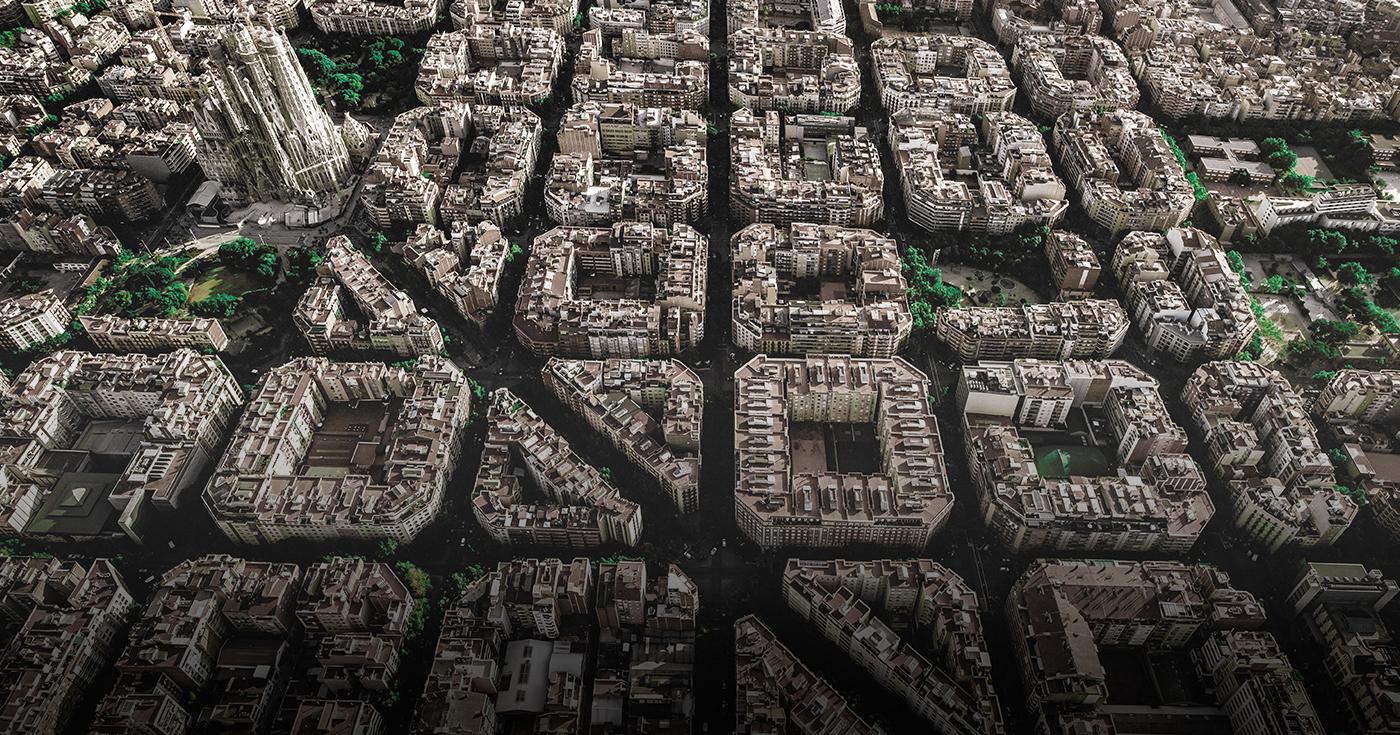

Rental prices in Spain continue to reach record highs in 2026. According to Idealista market reports, the average rent in the country has reached 15.3 euros per square metre per month, after recording continuous year-on-year growth driven by the lack of stock and strong demand pressure.
However, price increases and the cost per square metre are not distributed evenly across the country. While inland provinces such as Jaén, Ciudad Real or Zamora have rents below 8 euros/m², the major economic engines, the archipelagos and tourist areas concentrate the most strained figures.
Which are currently the 10 Spanish provinces where renting a home is most expensive?
1. Madrid (Community of Madrid)
The Community of Madrid leads the ranking as the most expensive province in Spain for renting, with an average price reaching 21.7 euros per square metre per month. The capital strongly drives the market — where the square metre is close to 23.7 €/m² — but the shortage of supply also displaces demand and increases prices in the municipalities of the metropolitan belt.
2. Balearic Islands
The island province occupies second place on the national podium, with an average price of 20.2 euros per square metre per month. The combination of holiday and seasonal rentals, international appeal and the territory’s limited geographical condition maintains one of the highest pressures on supply in the whole country.
3. Barcelona (Catalonia)
After leading the ranking in previous periods, Barcelona now ranks third, with an average of 19.1 euros per square metre per month in the province. Despite slight stabilisation in the capital after reaching highs, it remains one of the markets with the greatest demand pressure and the lowest availability of stock in traditional rentals.
4. Málaga (Andalusia)
It is the Andalusian province with the sharpest increase in rental prices, reaching an average price of 17.2 euros per square metre per month. Málaga has climbed the national ranking rapidly, driven by the technology boom in its capital, the attraction of digital nomads and high tourist demand on the Costa del Sol.
5. Gipuzkoa (Basque Country)
Gipuzkoa consolidates its position in the top 5 provinces with the most expensive rents in Spain, at around 16.8 euros per square metre per month. San Sebastián continues to appear recurrently among the capitals with the highest residential costs in the country, shaped by the scarcity of developable land and its tourist appeal.
6. Las Palmas (Canary Islands)
The Canary province maintains the upward trend in its residential prices, standing at around 14.9 euros per square metre per month. Gran Canaria and its main tourist areas concentrate high demand from both local residents and seasonal rentals, which puts pressure on long-term rental supply.
7. Biscay (Basque Country)
Biscay remains in the upper part of the table, with a provincial average of around 14.5 euros per square metre per month. Bilbao acts as the main driver of the area, maintaining solid demand and high rental levels compared with the national average.
8. Santa Cruz de Tenerife (Canary Islands)
The Tenerife province reaches 14.2 euros per square metre per month. As in Las Palmas, competition between tourist/holiday use and regular residential rentals exerts strong upward pressure on monthly rents.
9. Girona (Catalonia)
Girona ranks among the provinces with the highest rents in the north-eastern quadrant, with an approximate cost of 13.8 euros per square metre per month. Strong residential demand on the Costa Brava and proximity to the French border constantly boost its rental prices.
10. Valencia (Valencian Community)
Valencia firmly enters the list of the most expensive provinces, standing at around 13.5 euros per square metre per month. The city of Valencia has been one of the cities with the highest year-on-year growth in rents over the past year, which has significantly increased the average for the whole province.
Renting in 2026: what alternatives exist for investors?
The current context of the rental market shows clear tensions: on the one hand, prices at record levels that make access to housing difficult for tenants; on the other, a purchase market with high entry barriers for those who want to acquire an entire property to rent out.
For small and medium-sized savers looking to position themselves in the real estate sector, buying a flat directly is not the only option. There are formulas such as real estate crowdfunding, which make it possible to participate in development or financing projects from reduced amounts, diversifying capital across different locations without assuming the direct management of tenants or maintenance costs.
If you want to continue learning more about how to analyse the market and diversify your savings in real estate, we invite you to explore more articles on the Urbanitae blog.