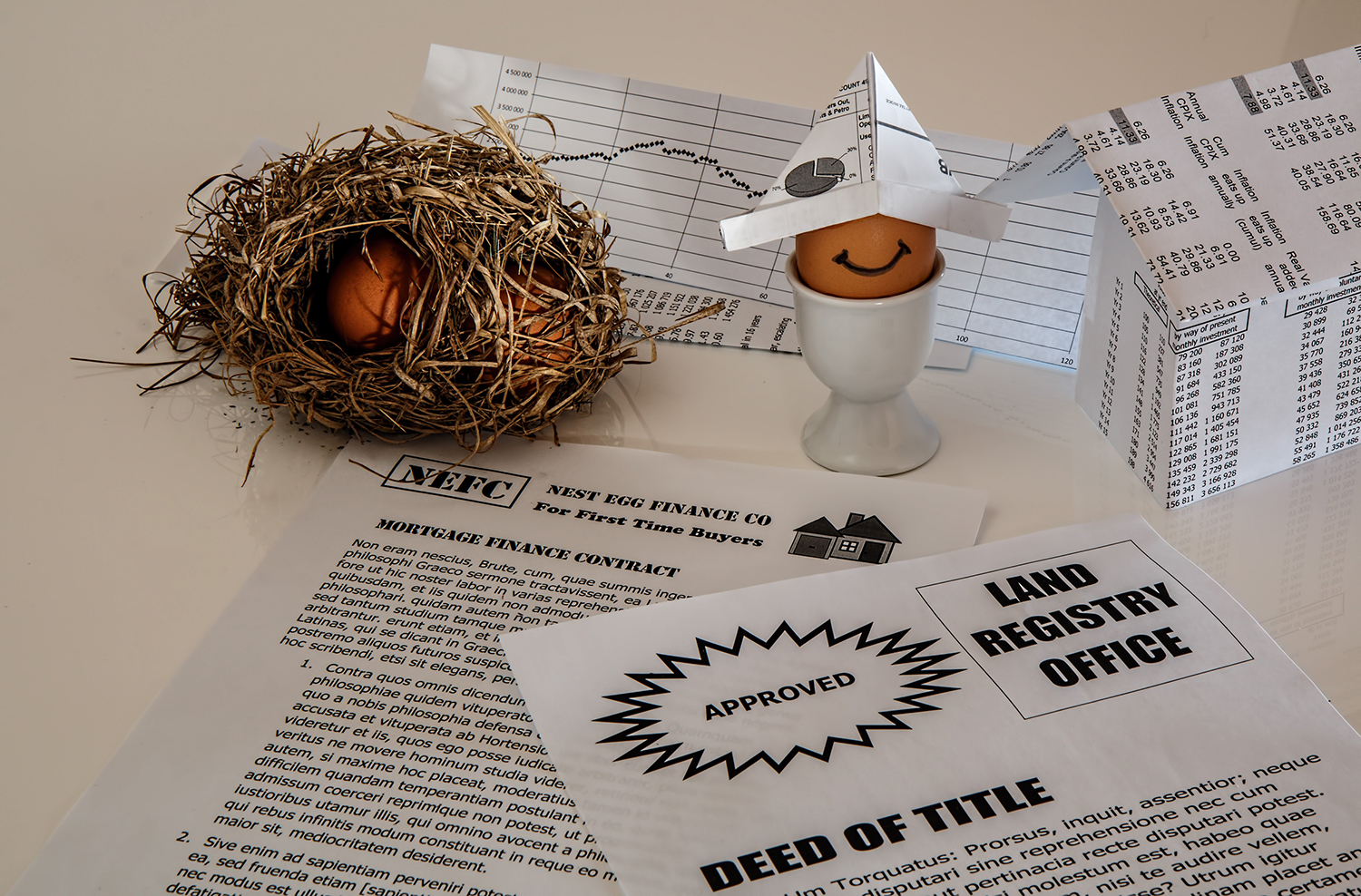

Paying for a home with your own liquidity or resorting to bank financing is one of the most important financial decisions when acquiring a property.
Although having the full capital available allows you to avoid debt and obtain significant discounts in the negotiation, leveraging through a mortgage preserves liquidity and makes it possible to allocate part of the money to other investments.
In this article, we analyse in detail the pros, cons, estimated savings and financial impact of each alternative to help you decide.
Although it may seem surprising, a significant percentage of home purchases in Spain are carried out without bank financing. According to data from the General Council of Notaries, around 52% of buyers purchase their home outright, while the remaining 48% use a mortgage loan.
1. Advantages of buying a house outright
Paying for the entire property immediately offers significant financial benefits:
- Greater negotiating power: Having immediate liquidity makes it possible to obtain discounts of between 10% and 20% on the published sale price, as the seller avoids the uncertainty of mortgage approval.
- Savings on arrangement fees and taxes: Costs associated with the loan are avoided — arrangement fee, valuation required by the bank, study fees or repayments — which can represent an additional saving of up to 2% of the capital.
- Savings on bank interest: By not financing the purchase, the total financial cost accumulated over the 15, 20 or 30 years that a loan usually lasts is avoided.
- No tie-ins or bundled products: There is no obligation to take out life insurance, home insurance or associated bonuses to adjust the interest rate.
Overall, depending on the value of the property and the term of the loan avoided, buying outright can mean savings of up to 35% on the final cost of the home.
2. Advantages of applying for a mortgage
Opting for bank financing offers strategic advantages for personal wealth management:
- Preservation of liquidity and safety cushion: It allows you not to fully decapitalise, maintaining an economic margin for emergencies or unforeseen events.
- Greater choice: It provides access to higher-value homes or better locations, without being strictly limited to the liquid savings available at that moment.
- Flexibility to repay early: Even when taking out a long-term loan, the buyer retains the possibility of making partial or full early repayments when surplus funds are available.
- Opportunity cost of capital: Maintaining liquidity makes it possible to allocate that capital to alternative investments that offer a return higher than the cost of the mortgage.
3. Quick comparison: Outright purchase vs. mortgage
| Factor | Buying outright | Buying with a mortgage |
|---|---|---|
| Commercial discount | High — 10%-20% in negotiation | Standard / market price |
| Interest cost | €0 | Variable depending on rate and term |
| Liquidity after purchase | Reduced — capital tied up | Preserved |
| Procedures and tie-ins | Minimal | Tie-ins required — insurance, payroll |
| Opportunity cost | High — the capital cannot be invested | Low — allows diversification into other assets |
4. Which option suits you best?
- Buying outright may suit you if: You prioritise the financial peace of mind of having no debt, seek the maximum direct return through cost savings and have sufficient liquidity without putting your emergency cushion at risk.
- Taking out a mortgage may suit you if: You want to preserve liquidity, interest rates are competitive or you are looking to allocate your surplus capital to investments that exceed the loan’s interest rate.
Conclusion
There is no universal answer: the decision to buy a house outright or apply for a mortgage depends on your savings capacity, risk tolerance and the alternative investment opportunities available. For many profiles, a mixed strategy — making a high down payment to reduce the instalment and interest without fully decapitalising — represents the ideal balance point.
Frequently asked questions
How much money can you save by buying a house outright?
Average savings can reach up to 35% of the property’s total cost, combining the discount obtained during the purchase negotiation — 10%-20% — savings on bank fees and the absence of long-term interest payments.
What percentage of homes are bought outright in Spain?
According to data from the General Council of Notaries, approximately 52% of home purchases are formalised outright, compared with 48% that use a mortgage loan.
Is it advisable to fully decapitalise in order to pay outright?
It is not advisable. Financial experts recommend always maintaining an emergency fund equivalent to between 3 and 6 months of expenses before allocating capital to a real estate purchase.