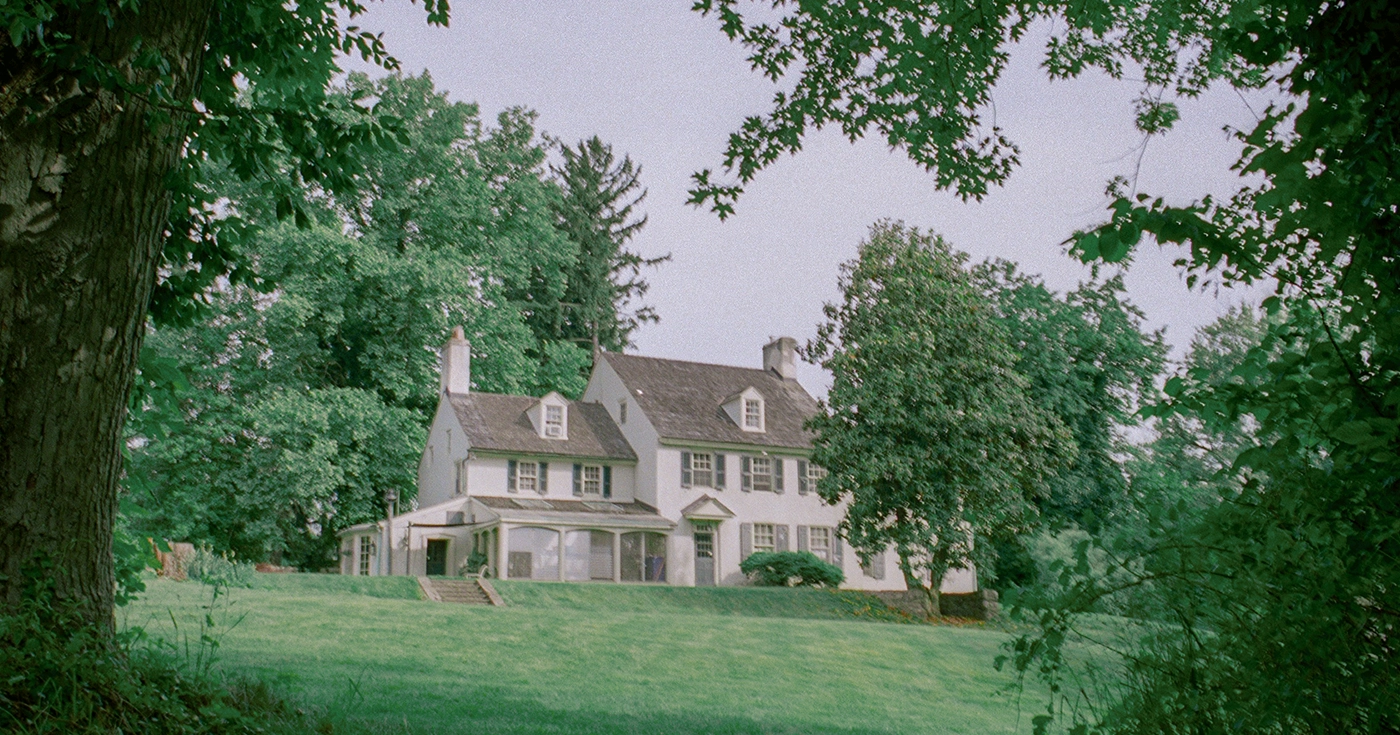

For many years, luxury real estate in Spain has been almost entirely defined by villas and designer apartments in prime areas like Marbella, Madrid, or Santander. However, wellness, nature, and disconnection are increasingly sought-after aspects by this segment, shifting the focus toward farmhouses, manor houses, and rural estates.
This renewed interest in the countryside does not seem to be a passing trend but rather a long-term vision of rural heritage as a valuable real estate asset. Owning a property in a valley, with views of the mountains, surrounded by nature and ample space, has become synonymous with quiet luxury, increasingly desired across all segments. According to the General Council of Notaries, this trend is well-established: during the first quarter of 2025, more than 64,000 rural property sales were registered nationwide. But what is driving this recent interest?
Rural estates: profitability and conversion to tourism uses
Given the limited luxury market in cities, properties on the outskirts have gained importance within investors’ portfolios. While urban luxury is measured in square meters and services, rural luxury is measured in hectares, views, and natural areas for rest and outdoor sports. The noise and monotony of city life, combined with the rise of remote work, have made rural estates a more common refuge rather than just a holiday retreat.
These assets offer attractive returns, between 5% and 10%, depending on their use, whether urban or agricultural. In the first case, the most common approach in the high-end rural market for investors is to acquire and rehabilitate abandoned or run-down estates to generate income through tourism, seasonal rentals, private events, or gastronomic retreats.
Since well-preserved manor houses and farmhouses are limited, buyers usually prioritize estates that retain certain qualities, such as traditional or rustic architecture with materials like oak, which provide a foundation for renovation. Such rehabilitations can increase property value by 30% to 40%, according to Idealista. One of the main challenges is securing urban planning permits to confirm whether residential, agricultural, or mixed use is allowed.
What attributes do investors look for?
The main reasons driving the purchase of luxury rural estates include seeking more space and privacy, interest in equestrian activities, hunting, opportunities to develop hospitality or tourist projects, and the growing appeal of agricultural activity. Increasingly, international buyers prefer productive estates with vineyards, olive groves, or almond trees, attracted by both economic potential and heritage value.
Buyers often look for high-quality properties with exclusive amenities, such as main houses with advanced energy efficiency systems, large landscaped areas, infinity pools, professional stables, riding arenas, private wineries, guest houses, perimeter security, private access, and recreational facilities like artificial lakes, well-managed hunting grounds, or event spaces.
Map of Spanish rural luxury and investor profile
Spain’s diverse landscapes, architectural richness, and gastronomy offer a privileged setting for investors, especially investment funds, family offices, and private buyers. Although Spain is known for its rural areas, certain regions concentrate most of this demand.
According to the latest data from the National Statistics Institute and Cocampo, the sector closed September with a 2.1% year-on-year increase in sales and a 25.6% monthly increase. Total investment in rural estates grew 11% in the first half of the year, driven by smaller plots with higher per-unit value.
Cocampo’s internal analysis also shows a 26% increase in searches for estates near major cities, while the average price per hectare rose 9.3%, reinforcing the upward trend for properties with better services, access, or recreational use. By region, Castilla–La Mancha, Navarra, and Andalusia are currently the most in-demand. In Andalusia, for example, one of the year’s most notable deals was the sale of a 607-hectare hunting and recreation estate in the Sierra Morena mountains, valued at €3 million. Interest is also growing in the Costa del Sol, including inland areas near Marbella and Sotogrande.
Meanwhile, masías, or traditional Catalan country houses, attract significant investor interest, with an average price of €11,593/ha. Large plots near the sea and the Pyrenees have made this region an epicenter for this segment. Galicia also stands out, with indian-style manor houses and estates, attracting investors interested in gastronomy and natural landscapes.