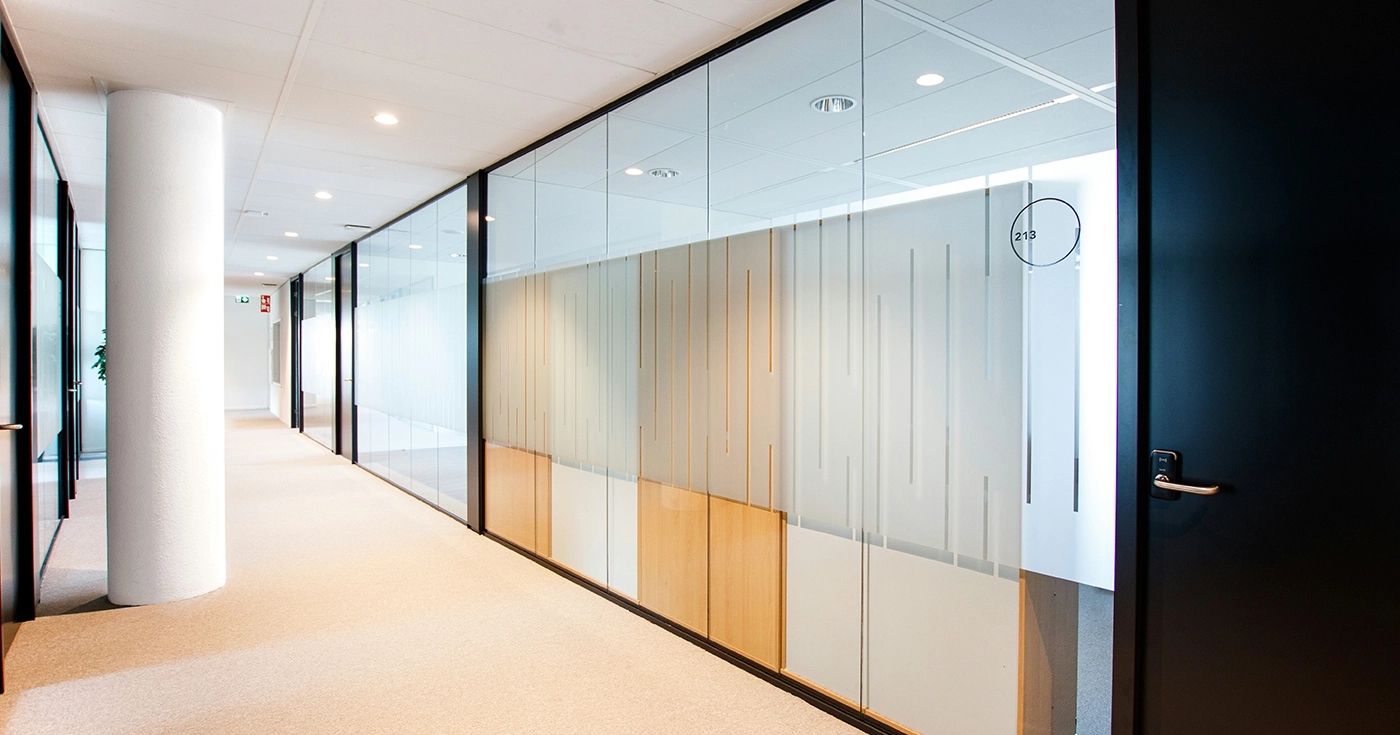

The rise of remote work, the transformation of traditional retail, and the shortage of housing supply in certain areas have put the spotlight on underused spaces that are now being considered for residential use.
For private investors, the idea is appealing: buy a cheaper commercial asset, transform it, and achieve either capital appreciation or higher rental yields. But as we always advise, before treating it as a real opportunity, it’s worth understanding what the process actually involves—and how to run the numbers.
What Converting a Commercial Premises or Office into a Home Really Involves
Turning a commercial premises into a home—or converting an office into a residential unit—is not just an interior refurbishment. It involves a change of use from commercial premises to residential, which means changing the property’s planning classification with the relevant city council. The first step is to confirm feasibility before buying anything: review the local planning rules and make sure residential use is allowed in that specific building. In some municipalities, changes of use are restricted in certain areas, on ground floors, or in protected buildings—so without prior assessment, the deal can be blocked before it even starts.
If the change is viable, you will need to commission a technical project signed off by an architect, apply for a building permit, and formally process the change of use. On top of that, the property must meet habitability requirements: minimum floor area, sufficient ceiling height, natural ventilation, direct daylight, acoustic and thermal insulation, accessibility, fire evacuation routes, and more. This is where many investors discover that not every commercial unit can be converted.
When you break down the true cost of changing use from commercial premises to residential, the total budget usually goes far beyond a standard refurbishment. Time is also a key factor. Between drafting the project, securing the permit, and executing the works, the process can take several months or even exceed a year. That timeline has a direct financial impact if you’re using financing—or if your capital is tied up without generating returns.
Running the Numbers: Where It Becomes an Opportunity—or a Problem
The key question isn’t whether converting offices and commercial premises into housing is possible, but whether it’s worth it. To assess it properly, you need to add up all costs: purchase price, acquisition taxes, technical fees, municipal charges, construction works, energy-compliance upgrades, and potential contingencies. Then you compare that total with either the estimated market value of the finished home or the expected annual rent if you plan to let it out.
Only if there is a clear margin does the deal make sense. That margin must absorb cost overruns, administrative delays, and market shifts. If the gap between total cost and end value is small, the risk you’re taking likely isn’t worth it compared with other options.
In areas with strong housing demand and plenty of clearly underused commercial stock, there can be interesting cases of investing in commercial units converted into housing—especially when the commercial price per square metre is significantly lower than residential. However, in areas with changing regulations or growing competition for the same type of deals, the attractiveness drops. In those scenarios, what looks like an opportunity can become a complex operation with tight returns.
Potential Upsides… and Risks You Shouldn’t Ignore
It’s true that buying a commercial asset can offer a lower entry point than purchasing a finished home. It’s also true that moving from commercial to residential use can create value. But the risks of investing in commercial units to convert them into homes are real: planning uncertainty, technical surprises during construction, administrative delays, and budget overruns. That’s why this strategy tends to fit better with investors who have technical support, financial buffer, and a higher tolerance for operational risk.
Less Complex Alternatives
Another option is to participate in already-structured residential projects through managed models. Platforms like Urbanitae allow you to invest in developments without directly taking on technical management, permits, or construction execution. For investors seeking real-estate exposure without the complexity of a change of use, this can be a more efficient route.
Converting offices and commercial premises into homes can be an opportunity for private investors in very specific contexts. But it’s not a magic formula—or an easy strategy. It requires technical due diligence, detailed numbers, and the ability to manage uncertainty. As with any real-estate investment, the key isn’t the trend of the moment, but the project’s real feasibility—and whether it fits the investor’s profile and goals.